The Hidden Variable in Reef Tanks: Direction
Water movement in reef tanks isn’t just about pump strength. Most aquariums suffer from a hidden issue: static flow direction. Learn how directional bias creates dead zones, uneven coral growth, and long-term stress — and why controlling flow direction over time is the missing variable in modern reef systems.
When reef keepers talk about water movement, the conversation usually starts with numbers.
How many gallons per hour?
What turnover rate?
What percentage output?
But water movement inside a reef tank is not just about force. It is about distribution. And distribution is governed by one overlooked variable:
Direction over time.
Why Direction Matters More Than Most Realize
Imagine placing a powerhead on the left side of your tank and aiming it across the front glass.
The coral directly in its path receives constant exposure.
The rock structure behind it receives very little.
Even if the pump pulses, the direction remains unchanged.
Over weeks and months, this creates structural imbalance:
The exposed coral thickens on one side and thins on the other
Polyps adapt to directional stress
Debris accumulates in predictable shadow zones
This is not a failure of intensity. It is a consequence of static orientation.
Natural Reefs Don’t Flow in Straight Lines
On a reef crest, species like Acropora are exposed to chaotic, multidirectional surge.
In lagoon environments, corals such as Euphyllia experience indirect oscillation.
Water does not strike them from one angle all day.
It shifts.
It intersects.
It reverses.
That variation distributes mechanical stress and improves oxygen exchange across the entire colony.
In a closed aquarium system, when direction never changes, the environment becomes spatially biased.
The Directional Bias Effect
A fixed stream creates:
A high-energy corridor
A moderate transitional zone
A low-energy shadow
This pattern rarely matches the layout of the aquascape. As corals grow, the bias becomes stronger. Branching structures block flow, increasing stagnation behind them.
Many reef keepers respond by increasing pump output. But increasing intensity only amplifies the same directional pattern.
The corridor becomes stronger. The shadow remains.
The Real Question to Ask
Instead of asking:
Is my pump strong enough?
A better question is:
Is my tank experiencing movement from multiple directions over time?
If the answer is no, then intensity adjustments alone will never fully solve imbalance. Water movement in reef tanks is not just about how much water moves.
It is about how evenly the energy is distributed. And distribution depends on direction.
Why This Changes How We Think About Flow
Once you recognize that direction is a variable, flow design shifts from static setup to dynamic strategy. The goal is no longer simply “enough GPH.”
The goal becomes:
Balanced exposure.
Reduced prolonged stress.
Improved coverage.
And that requires movement — not just power.
What Causes Dead Zones in Reef Aquariums?
Effective reef flow design focuses on:
Coverage patterns
Time-based exposure
Rotational or oscillating distribution
Dead zones are not random.
They are architectural consequences of static direction.
Dead zones are often blamed on weak pumps. But in most cases, they are caused by directional stagnation.
A dead zone is simply an area of the tank where water movement is insufficient to suspend debris and deliver consistent exchange.
They commonly appear:
Behind rockwork
Under overhangs
In corners
Along substrate edges
When a pump pushes water in a fixed direction, the main current creates predictable flow paths. Water takes the path of least resistance.
Areas outside that path become stagnant.
Increasing intensity does not necessarily fix this. In fact, stronger directional flow can:
Increase stress in already exposed areas
Leave shadow zones untouched
Create turbulence imbalance
The issue is not strength.
It is coverage.
To eliminate dead zones, water must periodically reach different areas of the tank.
That requires movement of direction — not just more output.
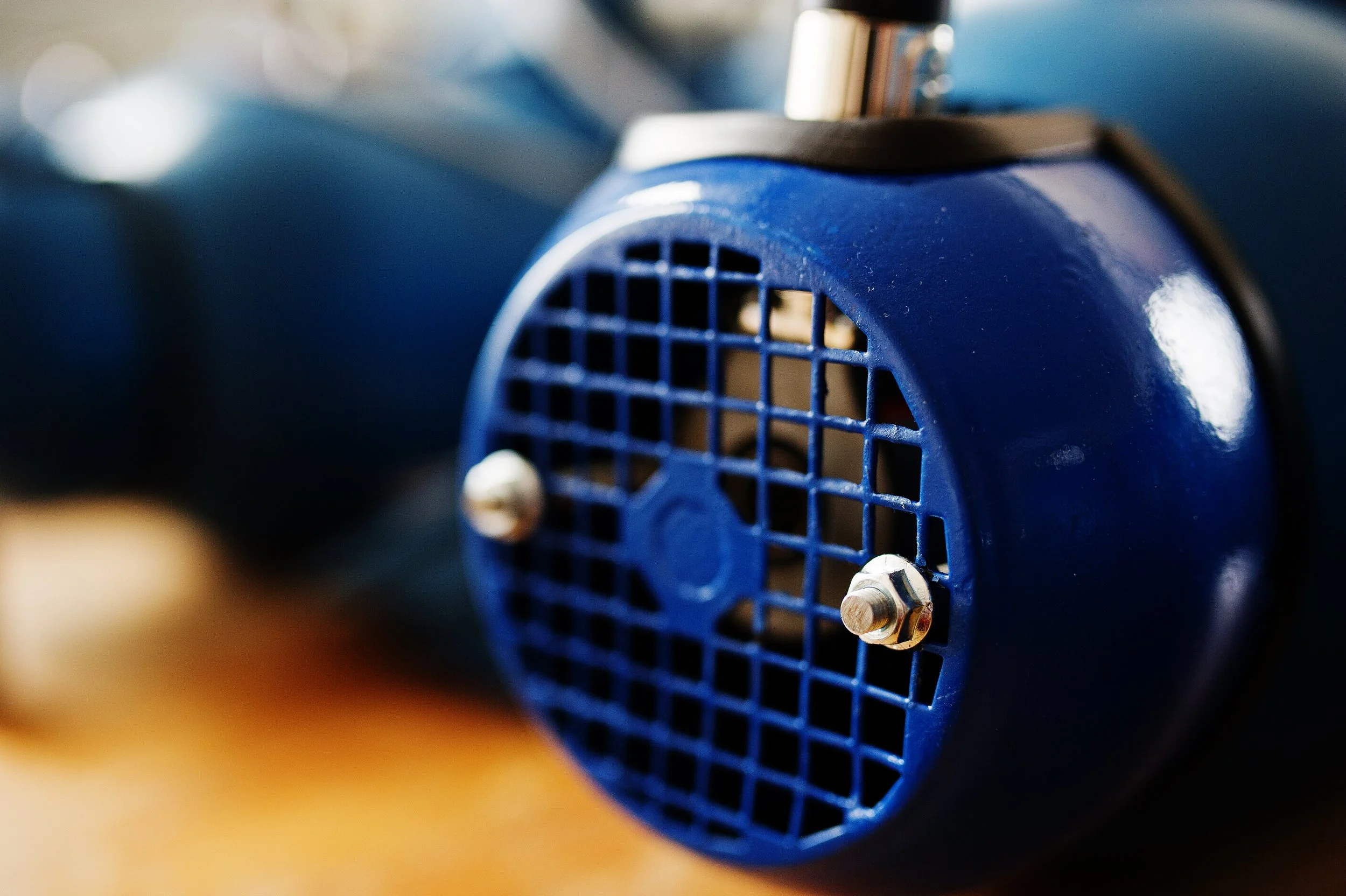
Effective reef flow design focuses on:
Coverage patterns
Time-based exposure
Rotational or oscillating distribution
Dead zones are not random. They are architectural consequences of static direction.
Blog Post Title Three
It all begins with an idea.
It all begins with an idea. Maybe you want to launch a business. Maybe you want to turn a hobby into something more. Or maybe you have a creative project to share with the world. Whatever it is, the way you tell your story online can make all the difference.
Don’t worry about sounding professional. Sound like you. There are over 1.5 billion websites out there, but your story is what’s going to separate this one from the rest. If you read the words back and don’t hear your own voice in your head, that’s a good sign you still have more work to do.
Be clear, be confident and don’t overthink it. The beauty of your story is that it’s going to continue to evolve and your site can evolve with it. Your goal should be to make it feel right for right now. Later will take care of itself. It always does.
Blog Post Title Four
It all begins with an idea.
It all begins with an idea. Maybe you want to launch a business. Maybe you want to turn a hobby into something more. Or maybe you have a creative project to share with the world. Whatever it is, the way you tell your story online can make all the difference.
Don’t worry about sounding professional. Sound like you. There are over 1.5 billion websites out there, but your story is what’s going to separate this one from the rest. If you read the words back and don’t hear your own voice in your head, that’s a good sign you still have more work to do.
Be clear, be confident and don’t overthink it. The beauty of your story is that it’s going to continue to evolve and your site can evolve with it. Your goal should be to make it feel right for right now. Later will take care of itself. It always does.